Can Two Diamonds with the Same Carat Look Different Sizes?
When shopping for a diamond ring — especially an engagement ring — many buyers focus heavily on the carat weight. It’s easy to assume that two diamonds, each weighing 1.00 carat, will look the same size. However, the reality is far more nuanced. Two diamonds of identical carat weight can look noticeably different in size, shape, and sparkle. Understanding why requires a deeper dive into the Four Cs, diamond proportions, and grading reports.
In this article, we'll also touch on trusted industry voices such as Hatton Garden Jewellers, explain the importance of verifying reports from the Gemological Institute of America (GIA), and provide tips to avoid pitfalls when evaluating diamonds in person or online—whether you're navigating a boutique jeweller or even scrolling through a mobile experience like the MRQ mobile casino app, where attention to verified details matters.
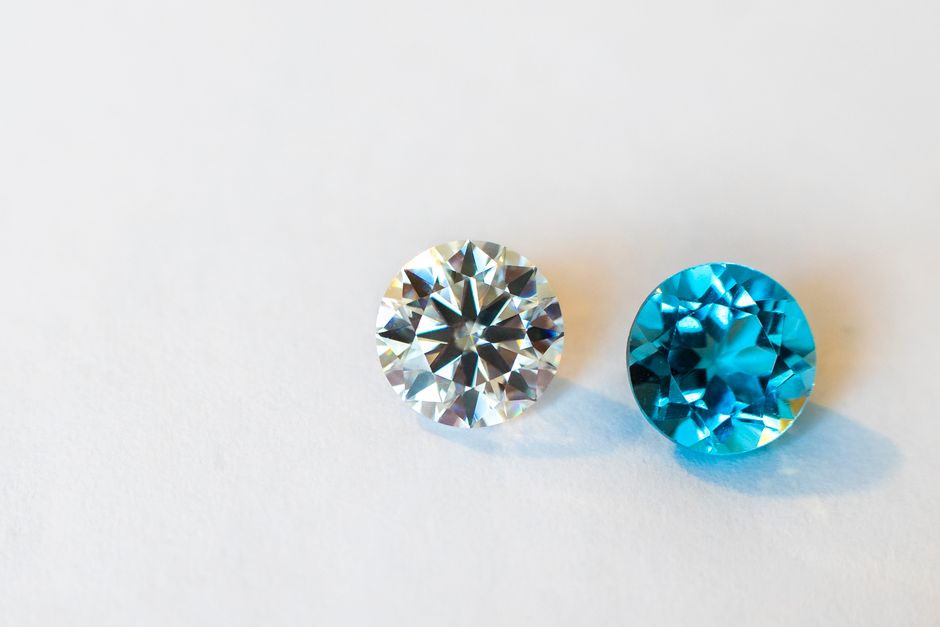
Understanding Carat vs Size: Why Weight Isn't The Whole Story
Carat refers strictly to the diamond’s weight, not its physical size. One carat equals 200 milligrams. But the space a diamond occupies depends on its shape, proportions, and cut quality, not just weight.
For example, a 1.00 carat round diamond is roughly 6.4–6.5mm in diameter. But diamonds of other shapes — such as oval, pear, or marquise — often have different dimensions for the same carat weight due to their elongated profiles.
The dimension measurements in millimeters (mm) — length, width, and depth — provide a more accurate picture of the diamond’s physical size. Therefore, you should always look beyond carat weight and seek out detailed measurements in your diamond’s grading report.
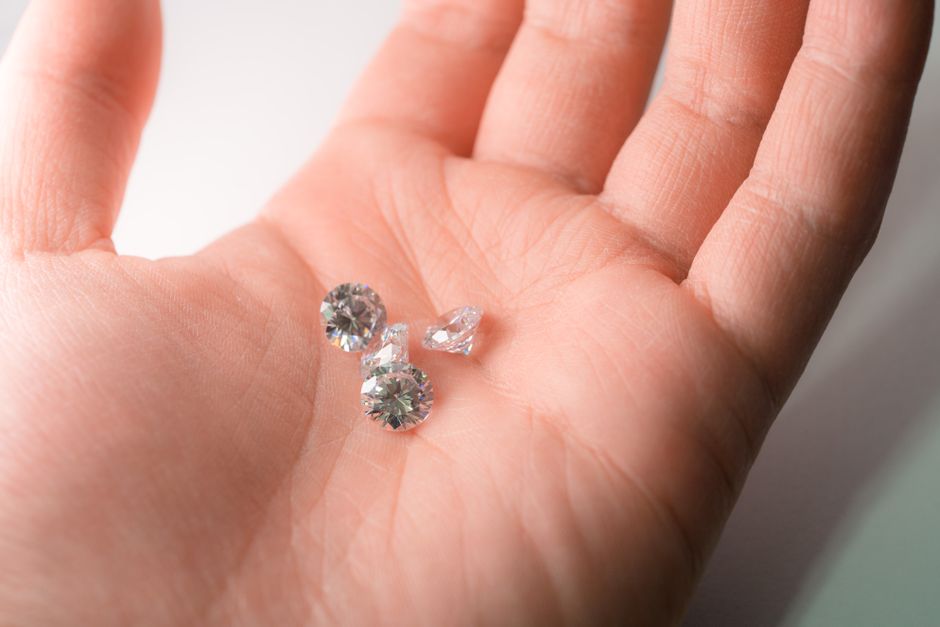
Diamond Measurements (mm) and Visible Size
Shape Typical Dimensions (mm) for 1.00 Carat Visual Notes Round Brilliant 6.4 – 6.5 diameter Classic "circle" appearance, balanced size-per-weight ratio Oval 7.5 length × 5.0 width Apparent larger surface area due to elongated shape Pear 8.0 length × 5.0 width Lengthened, tapered shape that looks larger on finger Marquise 10.0 length × 5.0 width Largest face-up appearance, very elongatedAs the table shows, an oval or marquise diamond of 1 carat often looks larger face-up than a round diamond of the same weight. This is why shape is critical for buyers wanting the appearance of maximum size.
The Four Cs Trade-Offs: How Cut Drives Sparkle and Perceived Size
The Four Cs — Carat, Cut, Colour, and Clarity — govern a diamond’s value and appearance. Among these, cut arguably has the most significant impact on sparkle, brightness, and how a diamond "wears" on the hand.
- Cut: A diamond’s cut quality affects how well light reflects and refracts within it. Well-cut diamonds (such as those graded Excellent or Ideal by the GIA) appear more brilliant and lively, often making them appear larger and more eye-catching.
- The trade-off: Sometimes buyers may sacrifice a tiny fraction of carat weight to get a better cut. A 0.95 carat diamond with an Excellent cut can look bigger and brighter than a 1.10 carat diamond with a Poor cut, despite the carat difference.
Many jewellers in Hatton Garden advise customers to prioritize cut quality and proportions https://bizzmarkblog.com/marquise-diamond-looks-huge-is-it-just-the-shape/ over carat weight alone. Buying a diamond with a strong cut quality amplifies sparkle, which often creates the illusion of larger size.
Diamond Proportions That Affect Size
Proportions such as table size, depth percentage, crown height, and pavilion angle influence how much light escapes vs. reflects back to the eye, as well as the diamond’s face-up size.
- Depth Percentage: The ratio of the diamond’s depth to its diameter. A shallow cut wastes light and reduces sparkle; a very deep cut "hides" weight in the pavilion but lessens the visible size.
- Table Size: The flat top surface should be proportioned to optimize balance between brilliance and size appearance.
For round diamonds, the ideal depth often ranges between 59-62%, and table sizes between 53-58%. Proportions outside this range may increase carat weight but reduce face-up size and brilliance.
Grading Reports: Verifying Authenticity and Details
When comparing diamonds, especially ones with the same carat weight but different appearances, a grading report is your best friend. The Gemological Institute of America (GIA) is widely respected for issuing trusted reports that detail the Four Cs, proportions, fluorescence, and more.
Important: Always ask for the laboratory report number and verify it independently via the GIA’s online databases. Avoid situations where sellers claim a diamond is "certified" but fail to name the lab or provide a valid report number — a common frustration among experienced buyers.
Why Verify the Report Number?
Verification protects you from misrepresented diamonds or counterfeit certificates. You can use online portals such as the GIA Report Check to confirm the diamond’s specifications match the report and that the number is genuine.
Many Hatton Garden jewellers will happily provide this verification on request and encourage buyers to do their own due diligence. It’s a sign of transparency and professionalism.
Shape and Perceived Size: More than Just Carat
Each diamond shape distributes weight differently, impacting the surface area (face-up size) and perceived size:
- Oval Cut: Its elongated form usually makes the diamond appear larger than a round diamond of the same carat. It also complements more finger shapes.
- Pear Shape: With a teardrop silhouette, the pear shape offers a graceful, elongated look, which can make fingers appear slimmer and the diamond seem larger.
- Marquise: Featuring a boat-like shape, the marquise cut maximizes surface area and can look significantly bigger than a round 1-carat.
- Round Brilliant: Classic and very popular, rounds tend to have the "standard" size perception, but their superior brilliance often outshines other shapes.
When size perception is a priority, these elongated shapes often deliver more "wow" per carat—an important insight for buyers balancing budget and appearance.
Summary and Buyer Checklist
To recap, here are key points when considering two diamonds of the same carat but different sizes:
- Check diamond measurements in millimeters (length × width × depth) alongside carat to understand actual size.
- Prioritize cut quality — better cuts both enhance sparkle and influence perceived size.
- Consider diamond shape carefully; elongated shapes often appear larger than rounds at the same carat.
- Always ask for the GIA laboratory report number and verify authenticity via official databases.
- Be wary of vague terms like “certified” without naming the lab and proving the report number.
The next time you visit a trusted jeweller (for example, in London's renowned Hatton Garden Jewellers district), or even browse diamond options on a mobile platform—with the fast-paced ease of an MRQ casino app interface—keeping these details in mind will ensure you make an informed purchase rather than just chasing carat weight.
Remember, carat is only one piece of the diamond buying puzzle. Measuring size, understanding cut and shape impacts, and verifying grading reports will help you select a diamond that looks as magnificent as its weight suggests https://smoothdecorator.com/rose-gold-engagement-ring-will-it-scratch-easily/ — or better.