I Keep Opening Apps Without Thinking: How Do I Break That Habit?
We’ve all been there: you pick up your phone or sit down at your laptop, and before you realize it, you’ve opened a slew of apps without any real purpose other than just checking. chuckleslife.com This automatic phone checking or computer tapping can easily gobble up precious minutes or even hours—time that could be better spent working, connecting, relaxing, or simply breathing. But how do you break this habit, especially when the urge feels almost instantaneous and unconscious?

As a former office manager turned workplace-wellbeing writer, I’ve coached teams on realistic routines that fit between meetings, helping them develop intentional pauses and micro-breaks that genuinely refresh body and mind. This reminds me of something that happened learned this lesson the hard way.. In this post, I’ll share practical, no-gimmick strategies backed by guidance from the Health and Safety Executive (HSE) and insights from innovative companies like MRQ and ChuckleS Life, all focused on combating screen fatigue and reclaiming control over your device habits.
Understanding Why We Open Apps Automatically
The urge to open apps without thinking is shaped by a few key factors:
- Phone Notifications: Those little red dots and pings are designed to hijack attention.
- Habit Loop: Our brains love routines. Trigger (boredom, idle hands) → Behavior (open app) → Reward (novelty, social connection).
- Screen Fatigue and Posture: Constantly switching screens without breaks strains eyes and muscles without giving clear mental refreshment.
- Lack of Intention: Without a clear purpose, app-checking becomes mindless scrolling or doomscrolling disguised as a break.
Recognizing this cycle is the first step toward changing it.
The Power of the Intentional Pause: Break Purpose Before Activity
Before unlocking your phone or opening your laptop, practice the intentional pause. Ask yourself:
- Why am I opening this app?
- What exactly am I hoping to do or achieve?
- Is this a purposeful break, or just an automatic impulse?
This pause creates friction in the habit loop, giving you a moment to redirect your behavior. Instead of diving into an app, you might instead choose a better micro-break or a more meaningful activity.
Friction tricks aren't about making life harder; they're about creating space for thoughtful choices. For example, if you notice your laptop login screen or phone lock requires a passcode, you can intentionally extend that friction by temporarily increasing the delay before notifications reappear or by arranging apps less conveniently.
As MRQ advocates, blending technology design with intentional behavioral nudges helps people choose wellbeing over automatic browsing.
Design Micro-Breaks with Clear Endings
Micro-breaks are short periods (typically 3-5 minutes) away from screen time to reset focus and posture. But these breaks need clear start and end points to avoid "just one more email" syndrome or doomscrolling disguised as rest.
Try a routine like this:
- Set a timer for 5 minutes before stepping away from your laptop or phone.
- Use this time to do something physical—a stretch, standing walk, or even looking out a window (I've kept a tiny "break menu" note taped near my monitor to remind me of simple options).
- When the timer ends, intentionally return to your task or device with renewed focus and intention.
According to the Health and Safety Executive (HSE), breaks help reduce eye strain and musculoskeletal problems linked to prolonged computer use. They stress that breaks should involve changing posture and gaze direction to be effective.
Switching from screen to looking out a window is a simple but powerful reset. It helps your eyes switch from close focus to distance, reducing fatigue. Changing physical position also counters slouching and tension buildup.
Example Micro-Break "Menu"
Break Activity Description Duration Window Watch Look out a window, notice the colors, shapes, and movement at a distance. 2-3 minutes Neck and Shoulder Stretch Gently roll shoulders backward and forward, tilt neck from side to side. 3 minutes Five Minute Timer Walk Set a timer and walk slowly around your room or office space. 5 minutes Breathing Focus Sit up straight and focus on slow, deep breaths to reset your nervous system. 3 minutesCompanies like ChuckleS Life offer tools and reminders designed to help employees embed these small, meaningful breaks during the workday, promoting sustainable daily wellbeing.
Setting Practical Timers and Boundaries with Devices
One of the quirkiest yet most effective habits I cultivated was setting a 5-minute timer even when it felt silly. This ritual signals the brain that you’re taking a genuine pause and it has a built-in ending. Especially when surrounded by endless to-dos and distractions, a timer is a non-negotiable boundary.
Here’s how you can implement timers and boundaries to break the automatic app opening habit:
- Use a dedicated timer app or simple alarm: Before you pick up your phone, set a timer for your intended break or task period.
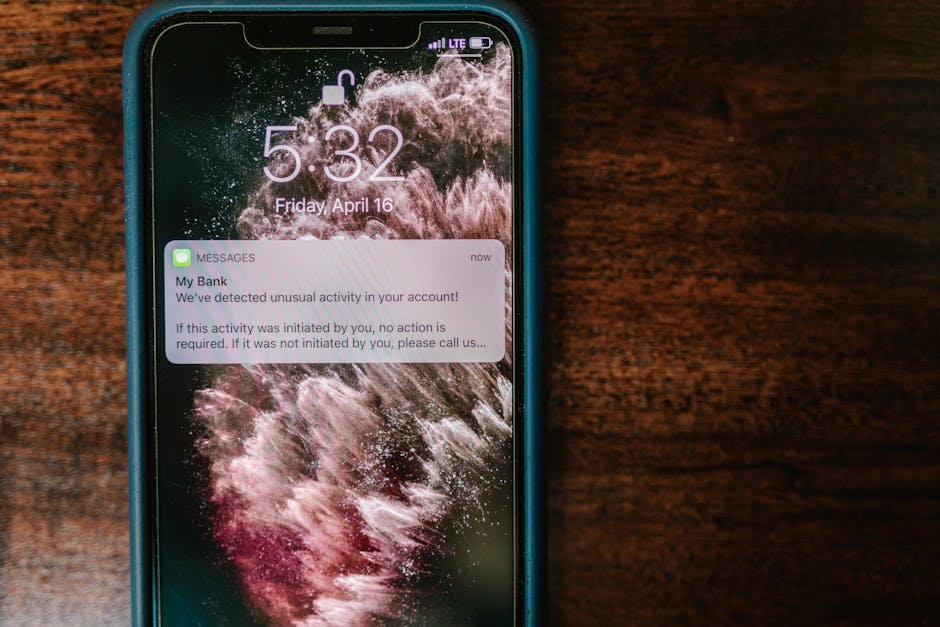
- Disable unnecessary notifications: Phone notifications often trigger reflexive checking. Tailor your notifications to only the truly important or urgent ones.
- Use the “Do Not Disturb” mode strategically: MRQ emphasizes how controlling alerts can shift behavior from reactive to intentional.
- Create friction for common apps: Move distracting apps off the home screen or inside a folder that needs extra taps to open.
This approach isn’t about willpower alone; it’s about designing your environment to encourage the behaviors you want and discourage unconscious scrolling.
Addressing Screen Fatigue and Posture
If your automatic app opening is a go-to method for short mental breaks, it’s important to recognize how this impacts your body. The HSE stresses that sedentary screen use without breaks increases risk of eye strain, headaches, and musculoskeletal discomfort.
Changing your physical position—standing up, stretching, or simply shifting posture—and shifting your gaze focus away from screen-based close work are essential. Not every break has to be high-energy; mindful pauses that include posture adjustments support overall comfort and alertness.
Simple routine tips include:
- Set an alarm every 30-45 minutes signaling it’s time for a postural or gaze break.
- During breaks, avoid screens completely to give your eyes a true rest.
- Adjust your chair and desk setup for ergonomic comfort (no fancy gear required; even small tweaks help).
Summary: Building New, Healthy Habits
Here’s a quick recap on ways to break the automatic app opening habit with intentional wellbeing:
- Create an intentional pause. Ask yourself the purpose before opening any app or device.
- Design clear micro-breaks. Use timers to limit breaks and ensure definite endpoints.
- Change posture and focus. Look away from your screen and move your body for a true mental reset.
- Introduce friction tricks. Add small steps or obstacles between you and the app temptations.
- Manage your notifications and boundaries. Take control of alerts so they don’t control you.
By integrating these habits consistently, you’ll not only reduce unintentional app use but also protect your mental and physical wellbeing throughout the day.
If you’re looking for inspiring tools or community support, check out MRQ for behavioral design solutions or ChuckleS Life for wellbeing reminders and breaks inspiration.
Remember: breaking a habit isn’t about perfection; it’s about progress. The small intentional pauses you build today add up to bigger changes tomorrow.