What Should I Gather Before Listing My Rolex for Sale? A Seller Prep Checklist
Selling a Rolex isn’t just about taking some photos and posting an ad. If you want to get the best price and avoid rookie mistakes, proper preparation is key. Over my 12 years in the secondary market, helping first-time sellers navigate the nuances of Rolex resale, I’ve seen plenty of myths and misunderstandings—especially around what “full set” means and what really moves the needle in price.
In this guide, I’ll walk you through everything you should gather before listing your Rolex, focusing on serial number consistency, warranty cards, receipts, and the often-overstated value of boxes. By the time you’re done, you’ll have a clear, practical “seller prep checklist” that helps you set a competitive price grounded in what buyers will actually pay.
The Myth of the “Full Set”: What Does It Really Mean?
First, let’s tackle the term “full set.” On watch forums and listing sites, you’ll see sellers proudly advertise their Rolex as a “full set.” But what does that really mean, and how much does it matter?
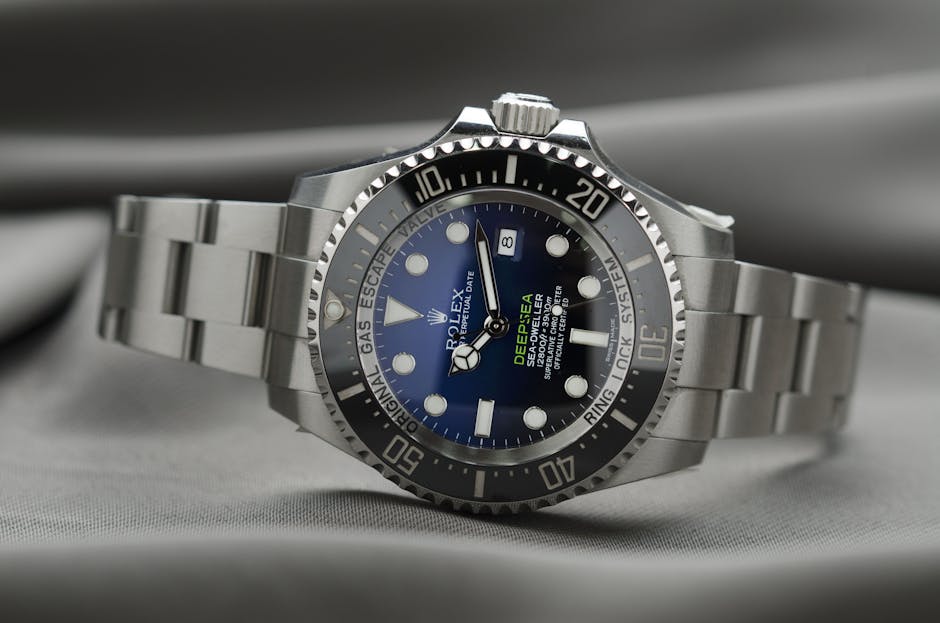
- Traditional interpretation: The watch comes with its original box, warranty card, instruction manual, hangtags, and sometimes even the original receipt or service papers.
- Problem: Many buyers on the secondary market focus heavily on the warranty card rather than the box. Without a matching and authentic warranty card, “full set” can be meaningless to price.
I’m a little annoyed by how many sellers obsess about having the original box but overlook missing warranty cards. Let me emphasize: the warranty card is the main value driver for pricing—not the box or extras.
Locate Your Warranty Card — The Primary Value Driver
The warranty card is central when selling your Rolex. It not only confirms authenticity but also provides the purchase date, retailer information, serial number, and model reference—all crucial details buyers want to verify.
Why the warranty card matters more than the box
- Proof of authenticity: The warranty card is factory-issued and hard to forge, serving as a primary authenticity check.
- Confirms serial number: A serial number cross-reference between the card and the watch itself helps avoid complications and buyer suspicion.
- Dictates production window: The date on the warranty card tells buyers if the watch aligns with known production periods for the reference.
- Lender and insurance confidence: Institutions prefer a watch backed by original warranty documentation.
Seller action item: Locate the warranty card and carefully check the serial number engraved on the watch against the serial on the card. They should match exactly. This simple date consistency check can save you from countless buyer red flags.
How to do a serial number and date consistency check
- Find the serial number engraved between the lugs at 6 o'clock or on the rehaut (depending on model and year).
- Locate your warranty card and find the serial number and purchase date fields.
- Verify the numbers are identical—no missing digits or typos.
- Check the purchase date falls within the reference’s known production window. Use trusted Rolex production date references to confirm.
- If any inconsistencies are present, disclose these upfront in your listing to avoid losing credibility.
Find Receipt and Service Records — Secondary Proofs That Add Trust
While warranty cards are king, receipts and service records serve as useful secondary documentation—especially when they reveal a well-maintained watch.
Receipts: proof of original purchase
- Receipts add an additional layer of authenticity by showing the exact retailer and purchase date.
- They can support the warranty card info or fill gaps if the warranty card is missing or expired.
- Receipts rarely itself boost pricing dramatically, but buyers feel more confident knowing a clear provenance.
Service records: proof of care and upkeep
- Full documented service history from authorized Rolex service centers can help soothe fears of potential defects or history of abuse.
- A well-serviced watch tends to command higher prices, especially with receipts indicating major overhauls or polishing.
- Keep in mind, service records do not make a “full set” but can be referenced to justify your asking price.
Box Value: Often Overstated and Overemphasized
Boxes are nice and can add allure, but they usually don’t translate into much additional value for the sale price, particularly in Rolex resale.
- Many buyers care deeply about warranty cards but have little interest in original boxes, which are easy to damage and replace at relatively low cost.
- Empty boxes—even rare variants—rarely increase the watch’s market value by a significant margin.
- If you think your box adds some appeal, mention it, but don’t inflate your price solely based on box inclusion.
In other words: focus on what buyers really pay for—papers and warranty cards—not ornate packaging.
Final Seller Prep Checklist: What to Gather Before Listing Your Rolex
Document/Item Purpose Notes Warranty Card Primary proof of authenticity, serial number and purchase date verification Cross-check serial numbers and ensure date matches production window Watch Serial Number Key identifier engraved on watch Compare to warranty card Receipts Secondary proof of purchase, shows retailer and purchase date May help if warranty card missing or damaged Service Records Proof of maintenance history, increases buyer confidence Include receipts from authorized service centers when possible Box Presentation and minor appeal item Nice to have but does not significantly impact price Other Accessories (Hangtags, Manuals) Completes packaging but minor price influence List these optionally to enhance desirabilityPrice Setting: Asking “What Would a Buyer Actually Pay for This?”
When determining your listing price, keep one key question in mind:
“What would a buyer actually pay for this watch given the documentation and condition I have?”Don’t fall into the trap of inflating prices based on vague claims like “duty-free purchase” or “rare box included.” Instead, ground your price in verifiable value drivers:

- Does the warranty card match and confirm authenticity?
- Is the serial number consistent?
- Are receipts or service history available?
- What is the watch’s current market demand and condition?
If you’re missing a warranty card, that’s going to rolex extra links cause a meaningful price discount—even if you have the box and manuals. If you have everything except service records, communicate that clearly but know it may not increase your price substantially.
Wrapping Up
Preparing your Rolex for sale may feel like a lot of work, but gathering the right documentation and verifying key details like serial numbers and dates ensures that you’ll be able to set a realistic price and attract serious buyers. Remember:
- Locate warranty card first—it’s the gold standard for buyer confidence.
- Cross-check serial numbers on both watch and paperwork to avoid surprises.
- Find receipts and service records to build trust, but don’t rely on them to justify inflated prices.
- Don’t overstate box value—it’s nice, but not a price-maker.
With this seller prep checklist in hand, you’ll be ready to list your Rolex with confidence and avoid some of the most common rookie seller mistakes.
Good luck and happy selling!