What Small Details Separate a Great Watch from an Average One
When stepping into the world of luxury timepieces, it’s easy to get caught up in bold claims, shiny logos, or flashy marketing. Yet, what truly distinguishes a great watch from an average one isn’t just its brand name or headline specs — it’s the meticulous craft embedded in every tiny detail. Lucky for us, brands like Rolex and Omega exemplify how quality is a chain of small, deliberate decisions rather than one magic feature. Even knowledgeable sellers such as The Watch Company (TWC Japan) highlight these nuances in their TWC Blog.
Craftsmanship Beyond Function
At first glance, a watch’s purpose is simple: to keep and display time accurately. But a great watch transcends this baseline through refined craftsmanship. While a quartz movement can keep you punctual, mechanical watches from brands like Rolex and Omega emphasize mechanical excellence that’s felt rather than just read. This excellence starts with subtle tactile experiences.
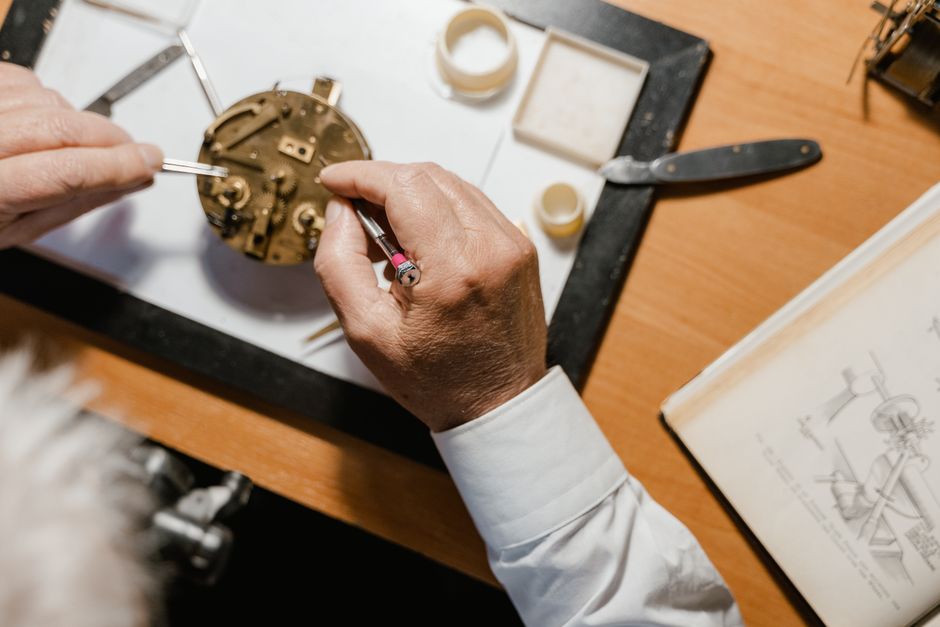
Crown Smoothness: The Hands-on Touchpoint
The crown—the small knob used for winding and setting the time—is the first direct point of mechanical interaction for the user. Excellent watches feature crowns that turn smoothly, with measured resistance but no wobble or grinding. This “feel” results from precision machining and tight component tolerances that ensure every gear and stem meshes perfectly.
- Rolex: Known for its patented Twinlock and Triplock crown systems, the winding crowns on Rolex watches offer a distinctive, refined resistance while remaining easy to manipulate.
- Omega: Their crowns, especially on Seamaster and Speedmaster models, balance tactile feedback and ergonomics, reinforcing user confidence with each wind or setting adjustment.
In contrast, average watches often have crowns that feel loose, gritty, or too stiff—revealing lower-precision manufacturing or reduced quality control. When you try these side by side, the difference is unmistakable.
Bracelet Feel: More Than Metal Links
Bracelets aren’t just straps holding your watch on the wrist—they are part of the watch’s experience. The balanced weight, articulation, and finish on bracelets separate great watches from run-of-the-mill ones.
- Component Tolerances: Bracelets on watches from Rolex or Omega exhibit incredibly tight component tolerances. This means the links connect fluidly without excess play or rattle.
- Material Quality & Finish: Each link receives individual attention in brushing or polishing, resulting in a cohesive and visually striking chain of metal that feels comfortable and natural against skin.
- Weight Distribution: Balanced bracelet weight prevents the watch head from shifting uncomfortably on the wrist. This small but critical detail reinforces the sensation that the watch “belongs” on your wrist—not hanging or clanking around.
When TWC Blog reviews pre-owned luxury watches, they often stress this “balanced bracelet feel” as an invisible hallmark of quality.
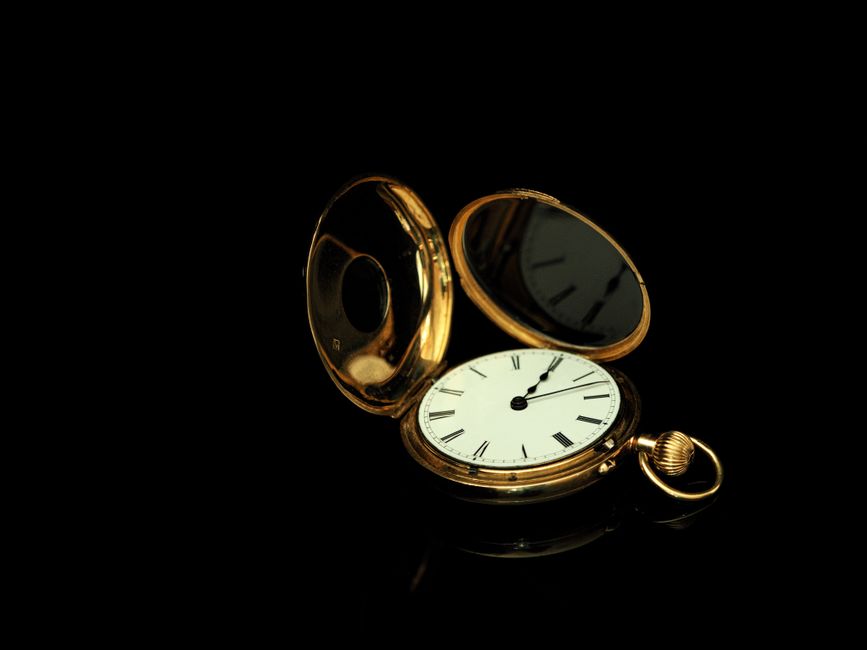
Upstream Quality Work: From Design to Quality Control
Great watches begin long before assembly. The upstream design and manufacturing phases embody a culture of precision that fewer brands achieve consistently. This is the “invisible” part of quality that profoundly affects the final product.
Design Precision and Engineering
Every part, down to the smallest screw or gasket, is designed with minimal tolerance to yield consistent performance. Brand giants manage detailed engineering documentation and rigorous version management to prevent any deviation. This approach is akin to platforms like the MrQ mobile platform in gaming: just as MrQ’s engineers ensure seamless user experience through meticulous coding and testing, watchmakers engineer each component to guarantee flawless interaction in daily wear.
Comprehensive Quality Control (QC)
From component sourcing to final assembly, strict QC ensures that everything fits and functions perfectly. This includes:
- Microscopic inspection of parts for defects or wear
- Pressure and water resistance tests
- Timing accuracy verified under different conditions
- Physical wear simulations to detect potential failures early
Rolex and Omega, for example, perform multiple QC stages not just to meet standards but to exceed them, enhancing reliability and longevity. As a buyer or aficionado, you benefit from this upstream rigor in your watch’s day-to-day reliability.
Reliability and Long-term Value: Quality You Can Count On
When a watch is described as “built to last,” it’s often an empty phrase unless you explore the real-world implications. For instance, how does that watch perform when you:
- Use it daily, in various climates or activities?
- Wear it during intense movement or sports?
- Need basic maintenance years down the line?
Great watches use robust materials and serviceable components to promise reliability.
Consider the role of component tolerances: Even tiny deviations can cause accelerated wear or damage over time, especially in moving parts like the rotor or escapement. Watches from brands like Omega boast movements engineered with margins so tight the parts operate harmoniously for decades.
Moreover, because watches from brands like Rolex and sellers such as TWC Japan focus on maintainable design and authorized service chains, users get peace of mind that long-term value isn’t just theoretical — it’s backed by tangible support and parts availability.
Invisible Details That Change User Experience
Let’s wrap up with a quick list of subtle but critical qualities that shape user satisfaction but don’t always show up in spec sheets:
Detail Effect on User Experience Example Bevelled Edges on Lugs and Case Enhances comfort and adds a refined play of light Rolex Oyster cases feature polished bevels enhancing wrist feel Dial Texture & Print Quality Sharper, clearer indices improve reading clarity and aesthetic depth Omega’s “sandwich” dials provide subtle 3D depth not seen on cheaper pieces Lume Application Precision Long-lasting, evenly applied lume aids legibility in dark environments Super-LumiNova application on Rolex Sea-Dweller Bracelet Comfort Adjusters Allows fine size tuning without removing links, improving wearability Rolex Glidelock clasp on SubmarinerFinal Thoughts
Great watches are not born from a single feature but from a harmonious orchestration of precise engineering, superior craftsmanship, invisible quality control, and thoughtful design decisions. These elements—whether it’s crown smoothness, bracelet balance, or upstream tolerance control—directly shape your experience tag heuer quality review and the long-term reliability of what’s arguably your most personal mechanical accessory.
If you want to truly appreciate these nuances when shopping or collecting, follow specialists like The Watch Company (TWC Japan), whose TWC Blog goes in-depth on these finely tuned qualities. Remember: a watch's excellence isn’t just what you see at a glance—it’s what you feel over every moment and wear.